Most people don’t realize that advertising has always been a battle over one thing: MEASUREMENT.
For decades, television advertising ran on Nielsen ratings.
A relatively small number of households kept diaries (that's right, hand-written diaries!!!) or had special devices installed, and billions of advertising dollars were allocated based on that data.
It was the accepted standard because there was no better technology.
Then the internet arrived.
Suddenly, advertisers could count clicks, views, conversions, and user behavior in real time. Digital tracking didn’t just improve advertising. It changed the currency of advertising.
The old system fought to survive. They always do.
Cable television gave people more choice. TiVo let people record shows and skip commercials. Netflix (and many others) made content available whenever people wanted it.
Every technological leap gave users more control and made interruption-based advertising less effective.
Now AI is creating another shift.
Soon, bots will generate clicks, views, comments, and engagement at a scale humans never could. The digital metrics that replaced Nielsen are starting to lose credibility for the same reason Nielsen eventually did.
The existing standards will hold onto their cash flow for as long as they can. But technology rarely asks for permission. It simply makes old measurement obsolete. And that leads to an interesting question.
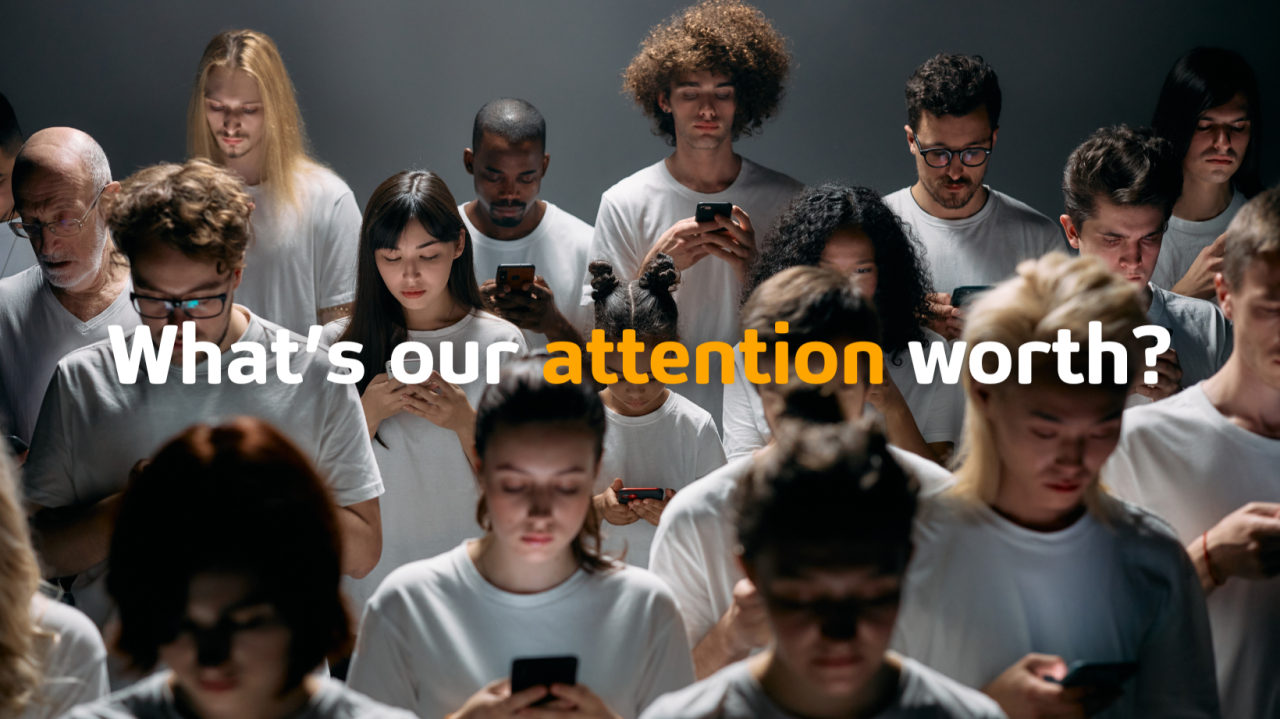
If advertising is becoming impossible to avoid, and authentic human attention is becoming increasingly scarce…why shouldn’t people get paid for it?
Maybe the next currency of advertising is not impressions. Maybe it’s verified human participation.
The history of advertising is the history of measurement. The future may belong to whoever can prove a real human was actually there...